Christmas Fundraising Ideas for NZ Schools and Clubs
Plan a Christmas fundraiser with giftable products, clear order deadlines and a collection day your school or club can manage.

Christmas Fundraising Ideas for NZ Schools and Clubs
A Christmas fundraiser has to fit around prizegivings, summer sport and families heading away. The best starting point is a collection date your volunteers can manage. Work backwards from there before choosing what to sell.
Aim to offer something people already have a use for over the holidays. A gift for a teacher, food for a family gathering or a contribution towards a specific community project gives supporters a clear reason to take part. Keep the choice small enough that your committee can explain it in one message.
1. Sell giftable products by pre-order
A pre-order campaign lets you collect orders before committing to a supplier quantity. That can reduce the risk of buying stock you cannot sell, provided your supplier accepts that arrangement. Confirm minimum quantities and payment terms before you launch.
Think about products that travel well and are easy to give as gifts. Locally made pantry items or packaged treats could suit your community. Ask potential suppliers about shelf life, ingredient information and when they can deliver. Check whether gift packaging is included rather than assuming the product will arrive ready to hand over.
Offer one main product or a small selection. Every extra option adds another item to count and another possible packing mistake. If you need ideas, our guide to fundraising products in NZ is a starting point for comparing formats.
2. Offer food for holiday gatherings
Food fundraising can work when supporters are buying something they would otherwise put on their shopping list. A pie order for a busy December evening may be easier to explain than another novelty gift.
Before agreeing to frozen or chilled products, establish who is responsible for suitable storage at every stage. A school office should not become an improvised freezer. Check supplier handling instructions and arrange delivery close to the collection window where practical.
Give supporters the information they need before ordering, including pack sizes and collection arrangements. Use the supplier's current ingredient and allergen information. Avoid describing a product as suitable for a dietary requirement unless the supplier confirms it. Our pie fundraiser guide covers the wider planning process.
3. Run a small gift-wrapping fundraiser
A gift-wrapping table at an existing community event can suit a group with volunteers available for short shifts. Ask the event organiser for permission first and agree where the table will go.
Set a simple price structure and explain what is included. Work out the cost of paper, tape and labels before deciding whether the activity is worthwhile. Donated materials can help, but do not build the budget around donations that have not been confirmed.
Keep the offer manageable. You might accept small and medium gifts while declining awkward or fragile items. Have a clear arrangement for supervising the table and handling payments. This idea depends on foot traffic, so it is better attached to an established event than left to attract an audience by itself.
4. Make a specific end-of-year appeal
If your volunteers cannot manage products, consider a donation appeal with a clear purpose. Explain what the money will fund and who will benefit. "Help us replace the junior team's worn training balls" gives supporters more information than "support our club".
Use a genuine deadline tied to the project or campaign. Avoid implying that a donation is required to take part in school or club activities. Families should be able to share the appeal or simply sit it out without being singled out.
Tell supporters how you will report back. A short update after the purchase helps close the loop. If you are weighing up formats, read product fundraising vs donation fundraising.
Christmas fundraising products from Raised wholesalers
You do not have to start your supplier search from scratch. These Raised wholesalers have products that could suit Christmas gifts or holiday entertaining. Browse their current catalogues, then confirm availability and delivery dates before announcing your fundraiser. The examples below are not a promise of Christmas stock or delivery.
Barker's of Geraldine: ready-to-give food packs
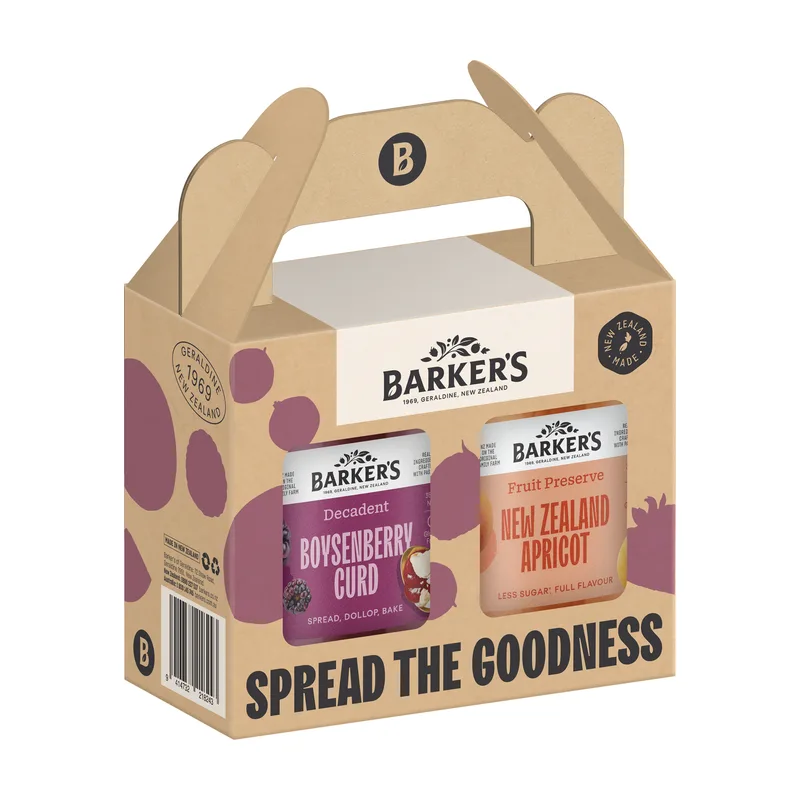
Barker's of Geraldine on Raised lists gift packs including Spread the Goodness, BBQ Buddies and Easy Entertaining. A packaged food gift could suit a teacher thank-you or a present for someone hosting Christmas lunch.
Planning tip: choose a small number of packs and show supporters exactly what is included. Confirm the current pack contents and shelf life with the wholesaler before writing your announcement.
Papercuts NZ: Christmas cards and gift tags

Papercuts NZ on Raised offers illustrated cards, bookmarks and gift tags. Its current catalogue includes Christmas designs such as Merry and Bright and Merry Little Christmas. These give your group a non-food option for families preparing gifts and end-of-year thank-yous.
Planning tip: launch before families finish writing their cards. Keep the range manageable, and check how individual designs or packs are supplied before collecting orders.
Lots of Baking Mixes: a gift or a holiday baking activity

Lots of Baking Mixes on Raised lists Shortbread Ingredient Jars, Gingerbread-men Baking Mix and Cranberry White Chocolate Cookies Baking Mix, alongside other baking options. A mix can be a gift in its own right or something families use together over the holidays.
Planning tip: explain any extra ingredients and equipment supporters will need using the supplier's instructions. Confirm the exact product and packaging rather than suggesting every mix comes in a gift jar. The photo shows examples from the range.
Spicecraft: something for the summer BBQ

Spicecraft on Raised lists seasonings such as Smokey Garlic Salt, Pimped Pepper and Crackin Kiwi Rub, as well as an Everyday Favourites Value Box. Seasonings could suit supporters buying for a keen cook or getting ready for summer BBQs.
Planning tip: decide whether your community would prefer individual seasonings or a box. Ask the supplier to confirm the current contents and packaging before describing it as a ready-to-give present.
You can browse more Raised wholesalers if these options do not suit your community. Wholesalers approve their own campaigns, so allow time to agree the order deadline and collection arrangements.
Set the dates before writing the launch message
Ask your supplier for its latest ordering date and expected delivery window. Allow time to resolve missing items before your school closes or volunteers leave town. Check the dates against your own school or club calendar.
An illustrative timeline might look like this:
| Stage | Example timing |
|---|---|
| Confirm supplier and volunteers | Early November |
| Open orders | Mid-November |
| Close orders | Late November |
| Receive and distribute products | Early December |
| Reconcile payments and thank supporters | Before the holiday break |
These are planning examples, not supplier deadlines. If you cannot confirm delivery and collection before launching, choose a different format or wait for the next term.
Calculate what the group will keep
Sales revenue is different from money available for your project. Subtract supplier costs and any packaging or delivery charges. Include payment costs that your organisation will bear.
For example, suppose a product sells for NZD $25 and costs NZD $18. That leaves NZD $7 per unit before other expenses. Selling 100 units gives NZD $700 before those expenses, not NZD $2,500 for your project. This is an illustration, not a supplier quote or a promise of results.
Check Raised's current pricing when preparing your budget. If your target needs more sales than your volunteer team can comfortably distribute, change the target or the format before asking families to participate.
Keep collection straightforward
Choose one main collection window and explain it on the campaign page. Include the location, who may collect and what happens if someone cannot attend. Ask supporters to bring their order confirmation.
Pack orders by customer where practical and keep a record of collections. Assign one person to resolve discrepancies so volunteers do not make conflicting promises. Agree in advance how you will handle uncollected perishable products.
Afterwards, thank the community and share the final amount available for the project once costs are reconciled. Record the supplier lead time and volunteer hours for next year's committee. A fundraiser that is easy to repeat is a useful Christmas gift to the next organiser too.
Ready to choose your format? See how Raised works, or contact us to talk through your campaign.